
Views: 0 Author: Site Editor Publish Time: 2026-07-21 Origin: Site
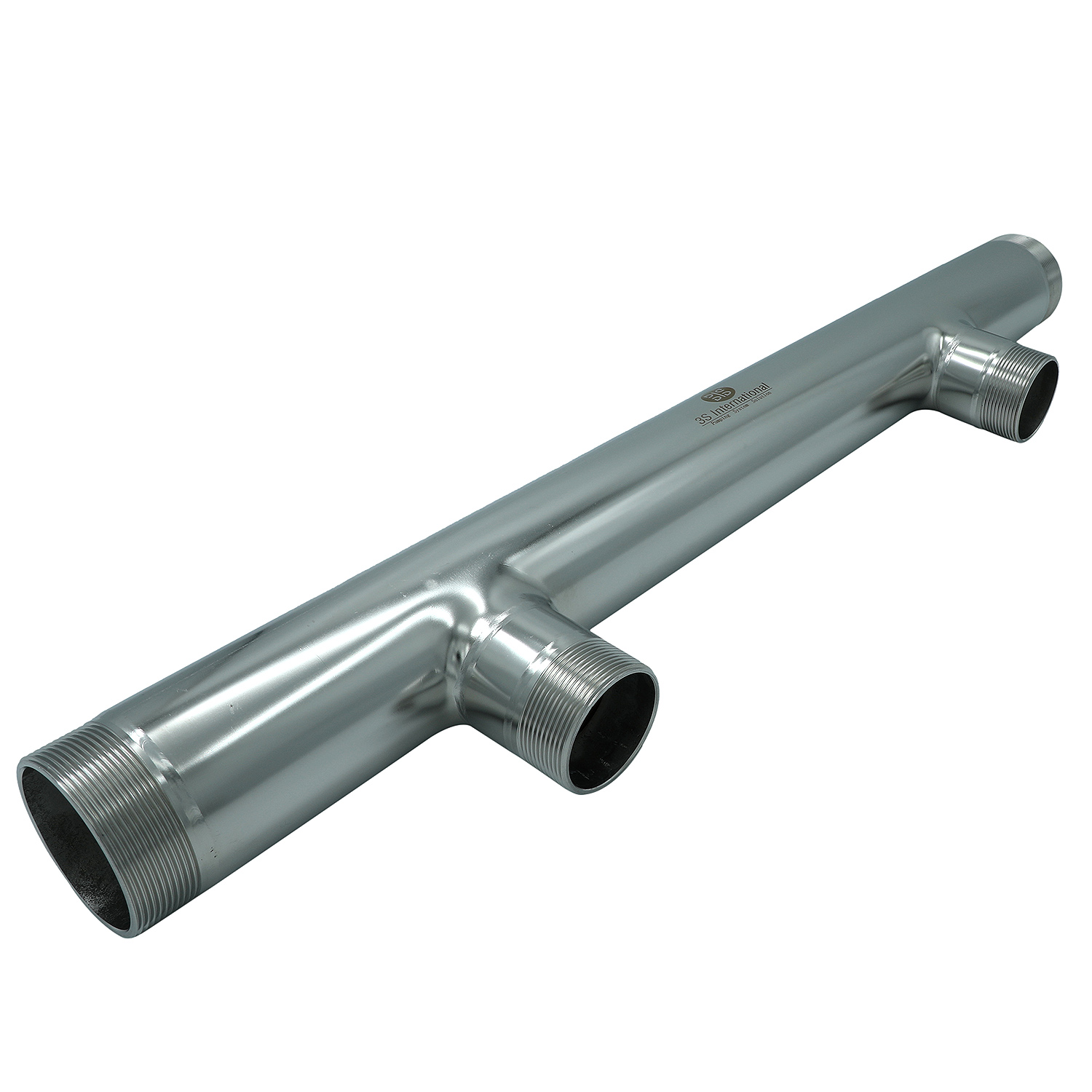
One of the most costly mistakes in manifold specification is sizing only for immediate needs. System requirements change. Production capacity increases. New functions are added. A manifold designed without expansion capability forces costly replacements or field modifications. Strategic sizing protects your investment and minimizes future downtime.
The 25% Expansion Rule
Industry best practice suggests sizing manifolds 25-30% larger than current immediate needs to accommodate future additions without system redesign-7. For a system currently requiring 8 stations, specify a 10-station manifold with 2 blanking plates. This approach prevents costly retrofits and maintains optimal flow characteristics throughout the system's lifecycle.
When to Apply the Rule:
| Current Need | Recommended Base Size | Blanking Plates |
|---|---|---|
| 4 stations | 6 stations | 2 |
| 6 stations | 8 stations | 2 |
| 8 stations | 10 stations | 2 |
| 10 stations | 12 stations | 2 |
Expansion Considerations Beyond Station Count:
Flow Capacity:
Adding stations increases total flow demand. If the pump or compressor is sized only for current needs, expansion may require upgrading the supply source. Consider specifying a larger supply port or dual-end feed configuration to accommodate future growth-15.
Exhaust Capacity:
Additional valves may overload the exhaust gallery. For pneumatic systems, verify that the exhaust path can handle the combined flow of all stations operating simultaneously-1.
Electrical Capacity:
Individual wiring limits expandability compared to bus systems. Consider specifying a communication bus architecture (IO-Link, AS-interface) that supports adding stations without rewiring the entire system.
Physical Space:
Added stations require cabinet or mounting area. Ensure the manifold mounting location has adequate clearance for future expansion.
The Blanking Plate Strategy
Blanking plates serve multiple purposes beyond expansion:
Temporary bypass: If a valve fails, blanking that station allows continued operation of remaining stations
Configuration changes: Swap valve types without replacing the entire manifold
Prototype testing: Test new valve configurations on live systems without permanent modification
3S International Design for Expansion:
Our modular manifold architecture supports expansion through:
Add-on sections connecting additional block sections
Pre-machined blanking plates for field conversion
Standardized interface connections ensuring leak-free reassembly
Interchangeable block sections bolting together in various configurations
Expansion Planning: Describe your current and anticipated station requirements. Receive a manifold configuration that accommodates both with minimal cost difference.

 FEEDBACK